
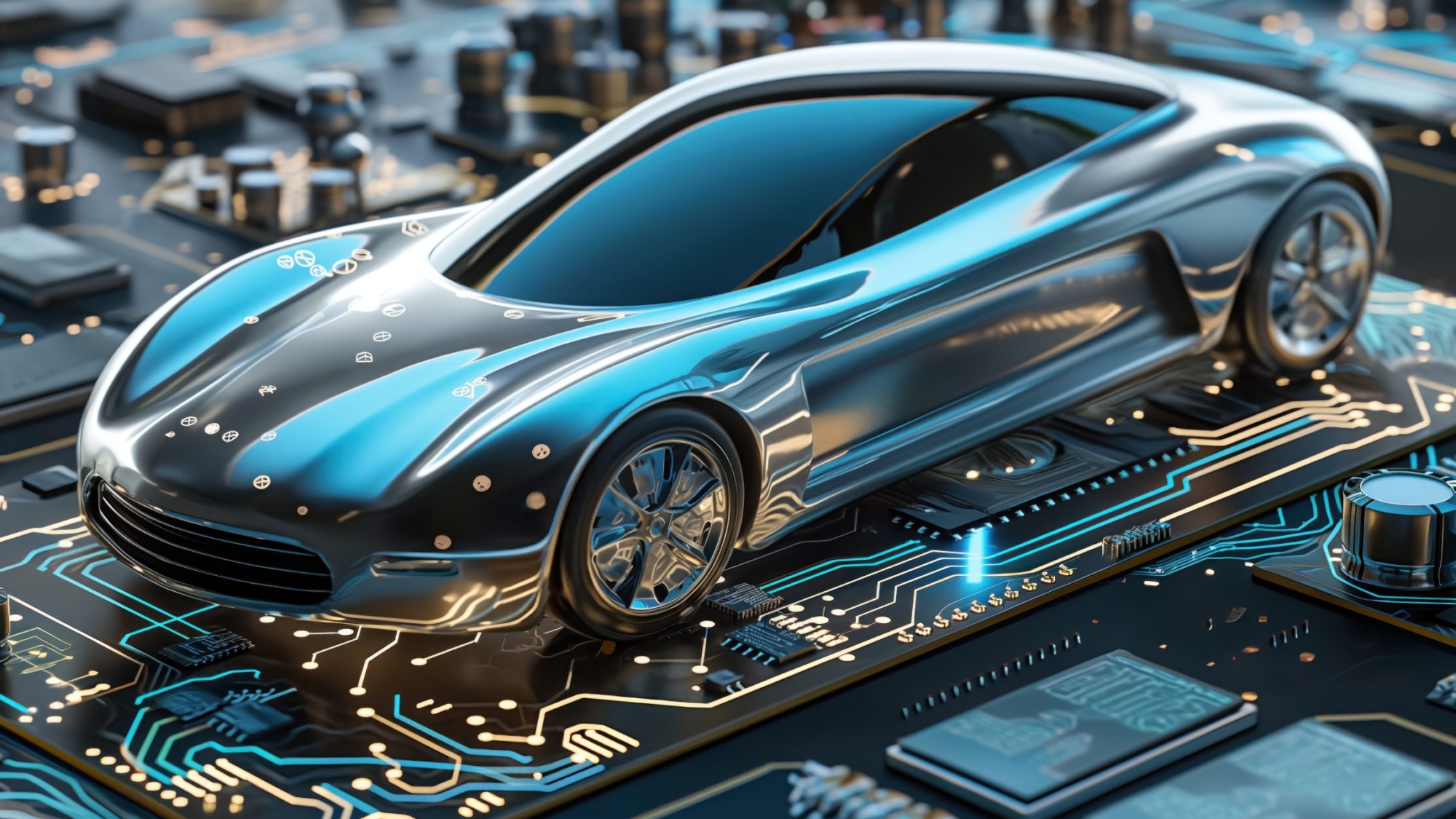
Lucid is preparing to bring its most ambitious technology to a wider audience, unveiling plans for a mid-size electric vehicle aimed at Level 4 self-driving capability. Positioned beneath the Air in both size and price, this new model is designed to compete directly with high-volume rivals like Tesla’s Model Y and the upcoming Rivian R2.
The standout feature? The brains behind it. Lucid confirms the vehicle will run on Nvidia’s next-generation DRIVE Thor computing platform, paired with a multi-layered sensor suite that includes cameras, radar, and lidar. Unlike camera-only approaches, this system is designed for redundancy and resilience, providing a comprehensive perception of the surrounding environment.
Beneath the hood, Nvidia’s centralized architecture consolidates automated driving, driver monitoring, infotainment, and safety functions into a single, high-bandwidth, safety-focused compute domain. In practical terms, this setup allows Lucid to expand and refine features over time through software updates, while maintaining enough computational headroom to support Level 4 driving in defined domains. Lucid says this hardware will be production-ready for its mid-size platform, enabling a smooth progression from today’s advanced driver-assistance systems to hands-free driving where regulations, mapping, and validation permit.
Timing is everything. Lucid’s push into the mid-size segment aligns with its goal of scaling beyond low-volume luxury. Higher production, competitive pricing, and a broader pool of potential buyers could make this model a game-changer. If it delivers the efficiency, interior packaging, and refined design that defined the Air and Gravity, it could quickly become Lucid’s most influential vehicle to date.
The innovation doesn’t stop on the road. Lucid plans to leverage Nvidia’s AI-powered software tools in the factory to enhance quality control and accelerate production. From AI-assisted inspections to predictive maintenance and simulation-driven workflows, these behind-the-scenes technologies may prove as impactful as any headline feature, helping a young automaker scale efficiently.
Of course, achieving Level 4 autonomy for consumer vehicles is no small feat. Industry history shows that cost, regulatory hurdles, and safety scrutiny can slow even the most ambitious roadmaps. Lucid seems to be taking a careful approach—pairing a robust sensor suite with powerful compute, while designing a phased feature rollout that doesn’t hinge on a single, risky leap. It’s a methodical, systems-first strategy that could age gracefully as policies and standards evolve.
Partnerships are also key. Earlier this year, Lucid revealed collaborations with Uber and self-driving specialist Nuro to explore premium electric ride-hailing. This signals a future where both private vehicles and autonomous fleets share core technology. If the mid-size EV lands with the right combination of price, range, and comfort, it could serve as a springboard for both individual owners and fleet applications.
FOLLOW US TODAY
About the Author:
Darryl Taylor Dowe is a seasoned automotive professional with extensive experience in operations, market strategy, and brand development. His expertise spans helping automotive brands grow and adapt in a rapidly evolving industry, earning him recognition as a trusted voice and strategist. Through his contributions to Automotive Addicts, Darryl shares a deep passion and insight into the business side of cars.