
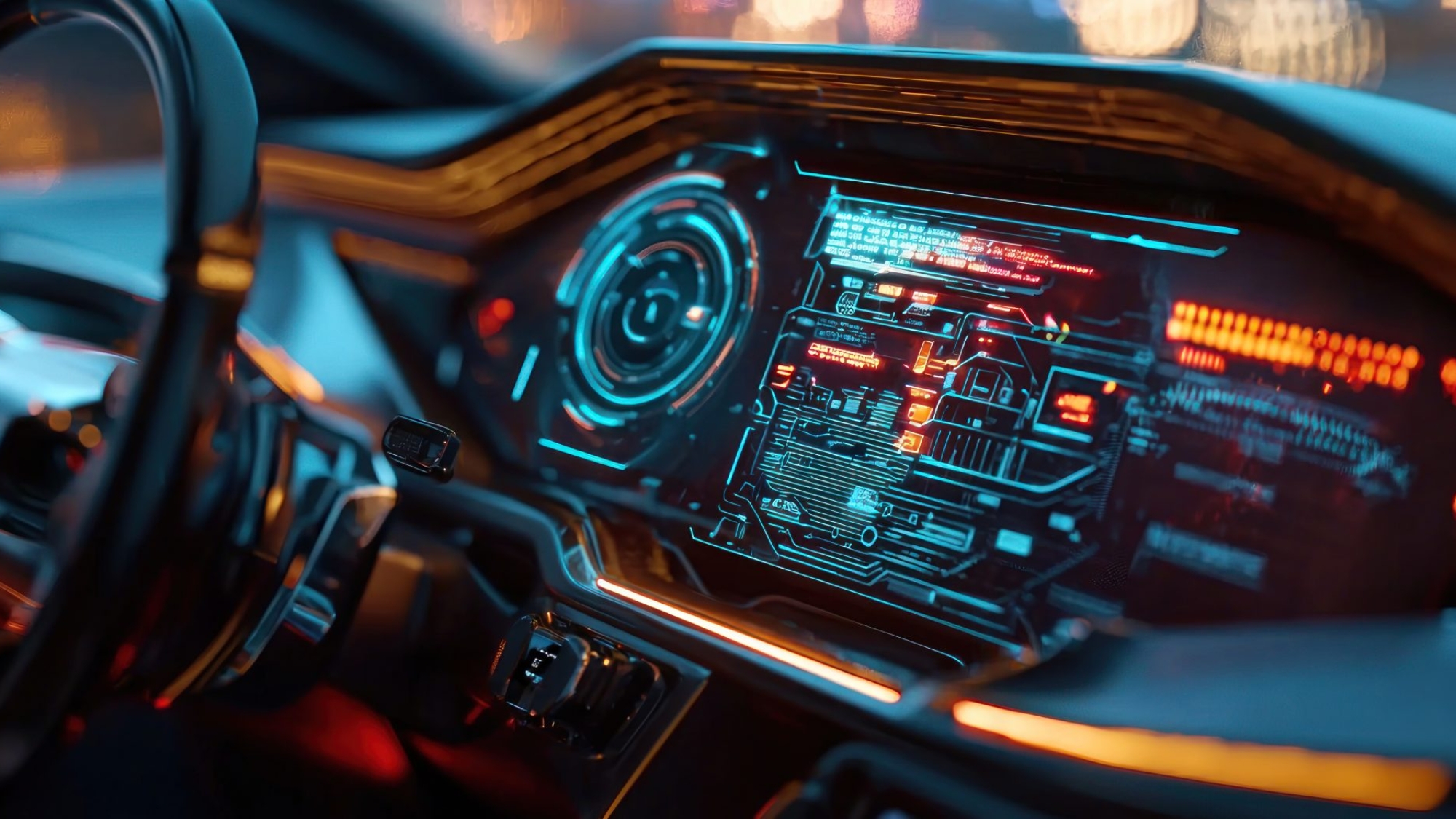
When Seconds Count: The Technology Behind Crash Detection and Emergency Support
Accidents don’t ask for permission—they just happen. One moment, you’re cruising with your favorite playlist on; the next, your heart leaps as chaos unfolds in slow motion. In times like these, technology isn’t just convenient—it’s lifesaving.
Modern cars have evolved far beyond seatbelts and airbags. Today, safety is about sensors, data, and instant action. Connected systems bring help faster than a human could, acting on your behalf when you can’t.
The Button That Changed Everything
There’s one small button in many cars that represents a monumental shift in automotive safety. Initially designed for roadside assistance, this technology has grown smarter over the years. Systems like OnStar now detect crashes, measure impact, and alert emergency crews automatically. Airbag deployment? Location tracking? Immediate alerts to first responders? All handled in seconds, without a thought from the driver.
When disaster strikes, your car becomes your voice. Operators can connect to rescue teams instantly, guiding them to your exact location. This isn’t just convenience—it’s survival technology.
The Science of Rapid Response
Crash detection isn’t luck—it’s engineering. Sensors analyze sudden deceleration, vibration patterns, and airbag deployment in milliseconds. The system decides whether to alert a live support center, transmitting data instantly: location, vehicle condition, and even occupant movement. Operators speak directly through the car’s speakers, providing guidance and reassurance. If you can’t respond, help arrives regardless. Compassion is embedded in the code.
When Silence Speaks Louder Than Words
The scariest moments in a crash aren’t always loud—they’re silent. Phones are out of reach, panic sets in, and sometimes you simply can’t call for help. That’s when automatic systems prove invaluable.
Picture a remote road at night: you hit black ice, slide off, and flip your car. Immobilized, you can’t move or call out. Yet the system has already detected the accident, alerted help, and is coordinating your rescue—all before you can react. It’s a quiet promise that you’re never truly alone.
Humans and Machines: The Perfect Team
Crash detection technology doesn’t replace people—it connects them. Machines detect, humans decide. Operators relay real-time information to first responders, sharing details faster than any frantic phone call could. Hearing a voice during a crisis brings calm and reassurance, building trust that goes beyond mere functionality.
Beyond Emergency Response
What started as a crash-detection feature has evolved into a fully connected ecosystem. Modern systems monitor vehicle health, track maintenance, and even analyze driving behavior to anticipate risks. Cars are learning context, not just reacting to impact. Prevention is the next frontier.
Trust Is Everything
Trust doesn’t happen overnight. Features like OnStar earned it by performing flawlessly in thousands of real-world situations. Drivers want control—but they also want a safety net. Knowing a single button connects them to professional help turns a feature into peace of mind. Every alert, every response, every life saved strengthens the bond between human and machine.
The Future of Crash Detection
This button isn’t going anywhere—it’s only getting smarter. AI-driven systems will predict crashes, communicate with smart city networks, and alert hospitals before an ambulance even leaves the station. Emergency response may one day integrate personal medical profiles for instant, precise care.
Despite the tech, the mission remains simple: help when it’s needed. Fast, reliable, human help. The kind that transforms fear into relief.
The Takeaway
Safety today isn’t just about seatbelts—it’s about connection. Your car can think fast, react faster, and summon help in seconds. Behind that small button is a powerful network of sensors, data, and people ready to respond. Invisible, quiet, and incredibly effective, it could be the difference between disaster and survival.